
 Free Delivery & Return
 365-Day Returns
 10 Million Happy Customers
 500,000 Products in Stock

Traditional Furniture: Timeless, Classic Pieces for an Elegant Home
Reviewed by the Beliani Content Team · Updated October 2026
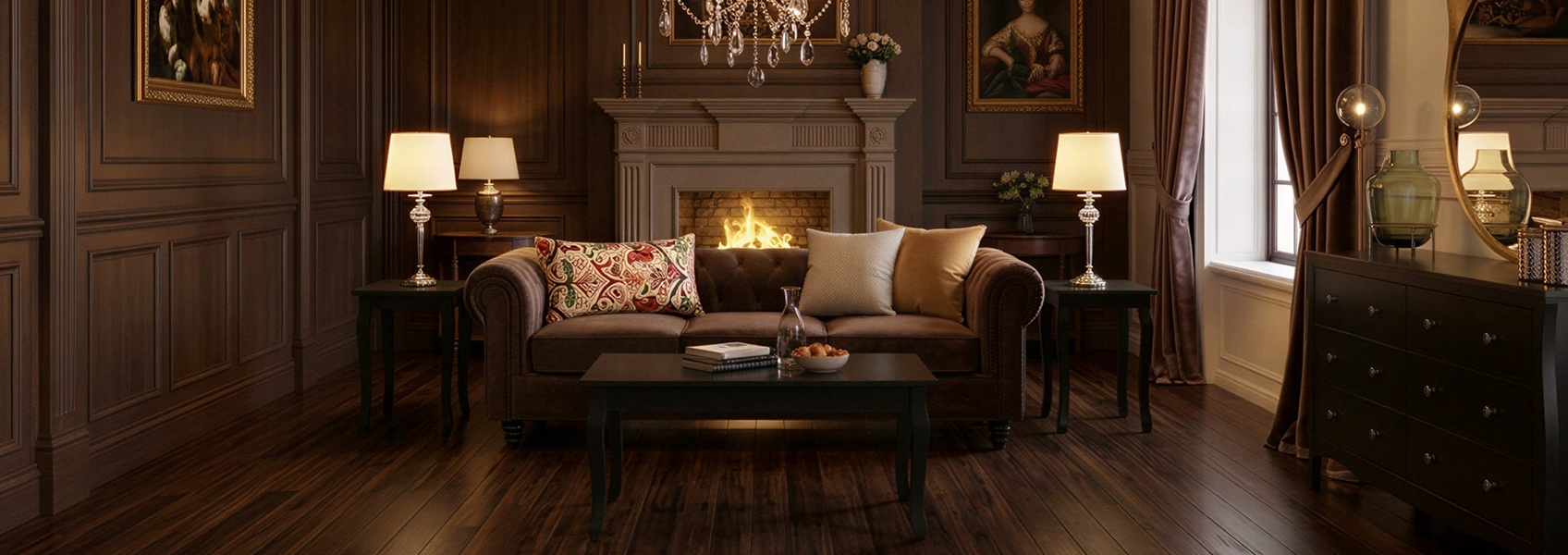
Traditional style creates a home that feels settled, comfortable and refined. It draws on classic European design, with graceful curves, rich materials and fine detailing. Understanding its colours, furniture shapes and proportions helps you create a coordinated interior without making the room feel heavy.
How do you create a traditional interior?
Start with one or two classic furniture pieces featuring curved silhouettes, decorative detailing or traditional upholstery. Build a balanced arrangement around them using warm neutral colours, coordinated wood finishes and layered lighting. Keep the remaining furniture simpler to prevent an overly formal or crowded appearance.
What characterises traditional style?
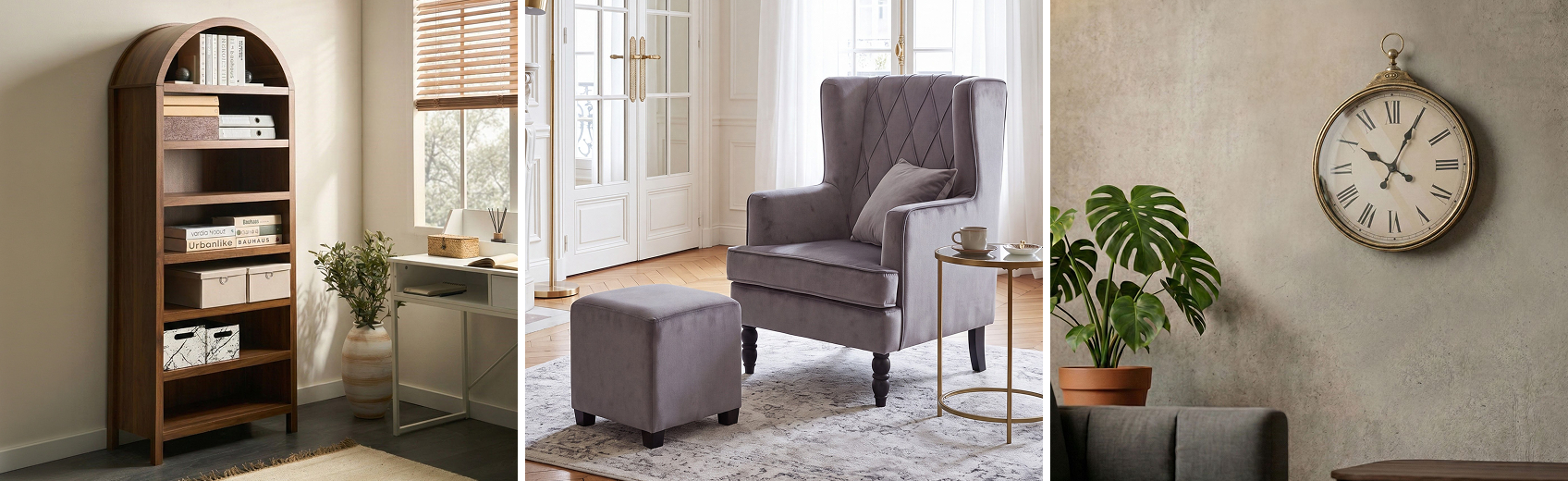
Traditional isn't the same as old-fashioned. It is a balanced, welcoming look built on symmetry, comfort and craftsmanship. A few features make a traditional interior easy to recognise:
- Graceful, detailed silhouettes: curved arms, turned legs, carved edges and button-tufted backs give furniture a refined shape.
- Rich, warm tones: deep wood finishes, soft neutrals and jewel-toned accents create a coordinated palette.
- Balanced layouts: matching lamps, paired armchairs and a centred focal point, such as a fireplace or a large mirror, create visual order.
- Comfortable seating: generous cushions, supportive backs and upholstered armrests are common features of traditional sofas and armchairs.
- Classic finishing touches: framed art, patterned rugs, fabric-shaded lamps and brass or gold-tone hardware complete the look.
What colours belong in a traditional palette?
Start with a calm base of ivory, warm beige or cream. These shades keep the room bright and allow detailed furniture to stand out. Add depth with navy blue, hunter green and burgundy, particularly on upholstered furniture, cushions or curtains. Sage green and Wedgwood blue offer softer alternatives, while antique gold works well on frames, lamp bases and decorative hardware.
What materials should you look for?
Traditional furniture often combines wood finishes, textured upholstery and decorative metal details. The material should suit both the appearance of the room and how frequently the furniture will be used.
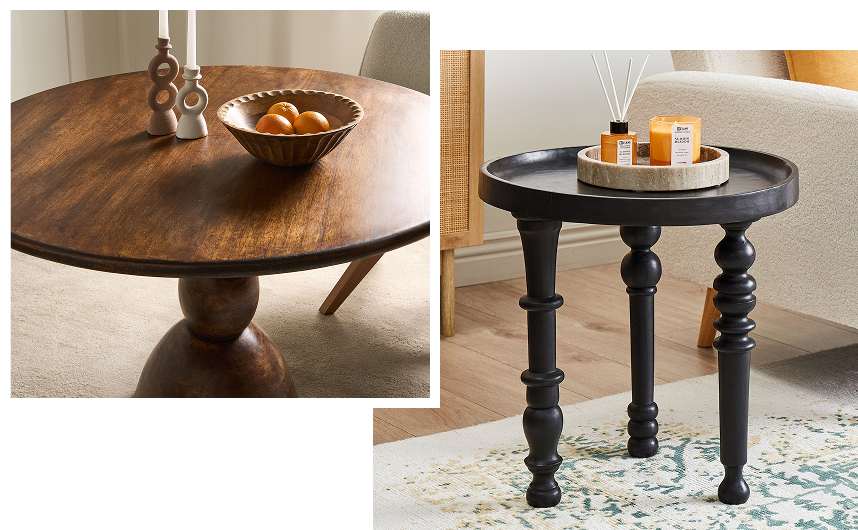
Solid wood and wood veneer
Oak, walnut, mahogany-tone and cherry-tone finishes suit dining tables, bed frames, bookcases and cabinets. Solid wood and veneered furniture have different construction and care requirements, so check the product specifications rather than relying on appearance alone. Wipe wooden surfaces with a soft cloth and keep them away from radiators, excess moisture and prolonged direct sunlight.
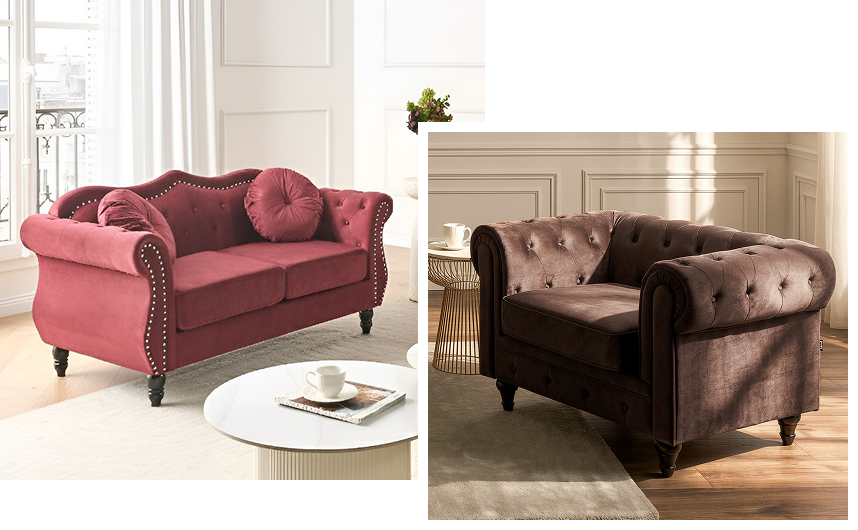
Velvet, damask and woven fabrics
Velvet gives sofas and armchairs a soft, rich appearance, while damask and jacquard fabrics introduce classic woven patterns. Tightly woven upholstery can be a practical choice for frequently used seating, depending on its durability and cleaning requirements. Check the fabric care instructions and vacuum upholstery regularly using a suitable attachment.
Leather and faux leather
Leather is associated with Chesterfield sofas, wingback armchairs and traditional study furniture. Its appearance may develop character over time, although maintenance requirements vary by leather type. Faux leather provides a similar appearance but requires different cleaning products and care. Check the upholstery composition and manufacturer's instructions before purchasing.
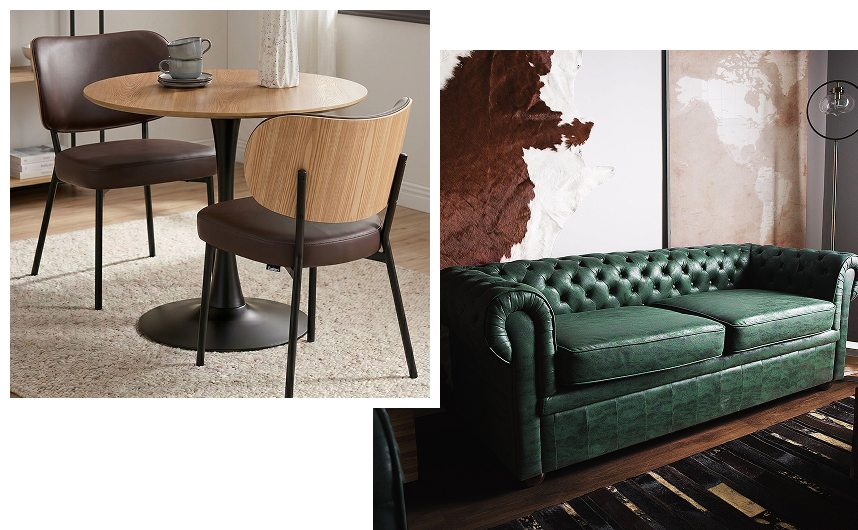
Brass, marble and glass details
Brass-effect handles, decorative trims and metal castors add contrast to wooden furniture. Marble and marble-effect surfaces suit console tables and side tables, while glass-fronted cabinets provide display space for books, tableware and decorative objects. Choose finishes that complement the furniture rather than competing with its detailing.
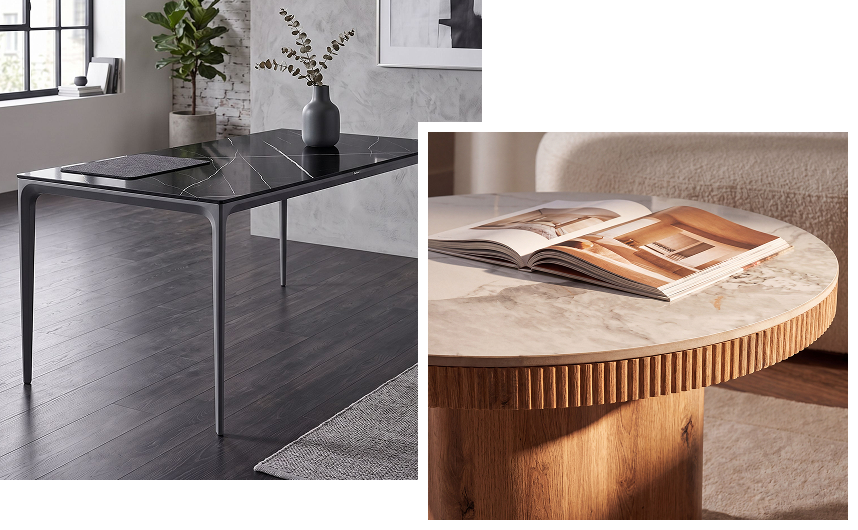
How can you recognise traditional furniture?
Dark wood alone does not make a piece traditional. The style is defined by its proportions, silhouettes and decorative elements, while construction quality determines how well the furniture performs in everyday use.
Shaped legs and curved lines
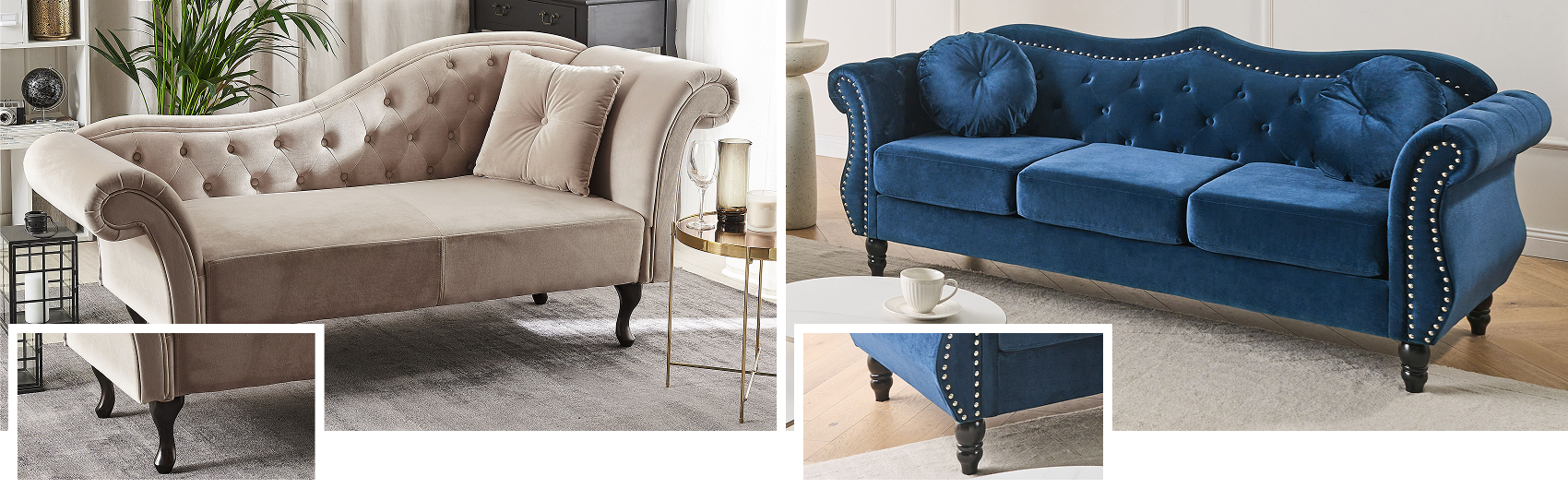
Cabriole legs, turned legs, bracket feet and gently curved armrests are common features of traditional furniture. These shapes soften the outline of tables, cabinets and seating, distinguishing them from more angular contemporary designs.
Decorative detailing
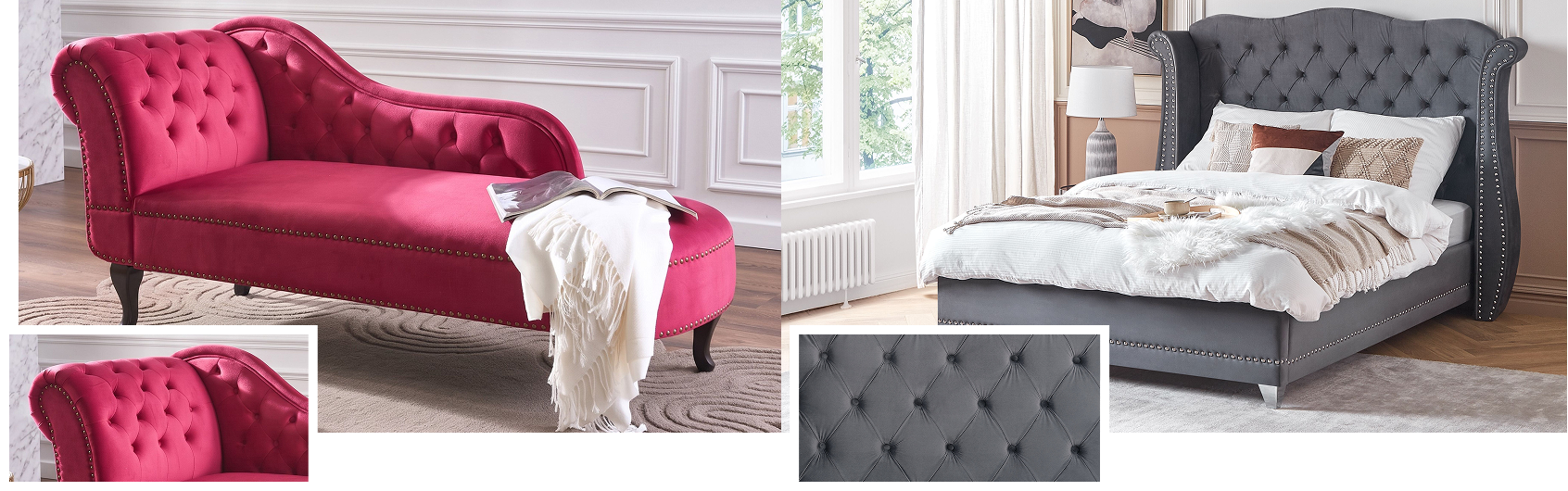
Carved trims, panelled doors, moulded edges and button tufting introduce visual detail. Choose furniture where decorative features complement its proportions. Too many ornate pieces in one room can make the arrangement appear crowded.
Supportive seating
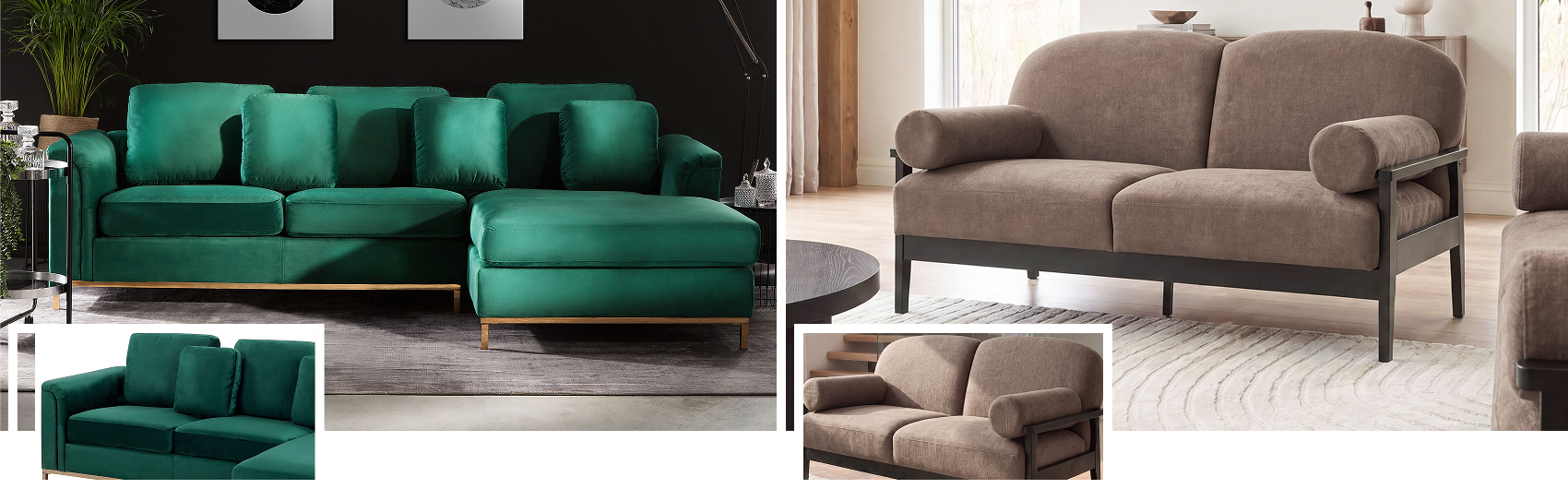
A traditional sofa or armchair should provide adequate support as well as a classic appearance. Check the seat height, seat depth, backrest angle and cushion filling. Deep seats suit relaxed lounging, but a shallower seat may be more comfortable for people who prefer an upright sitting position.
Stable construction
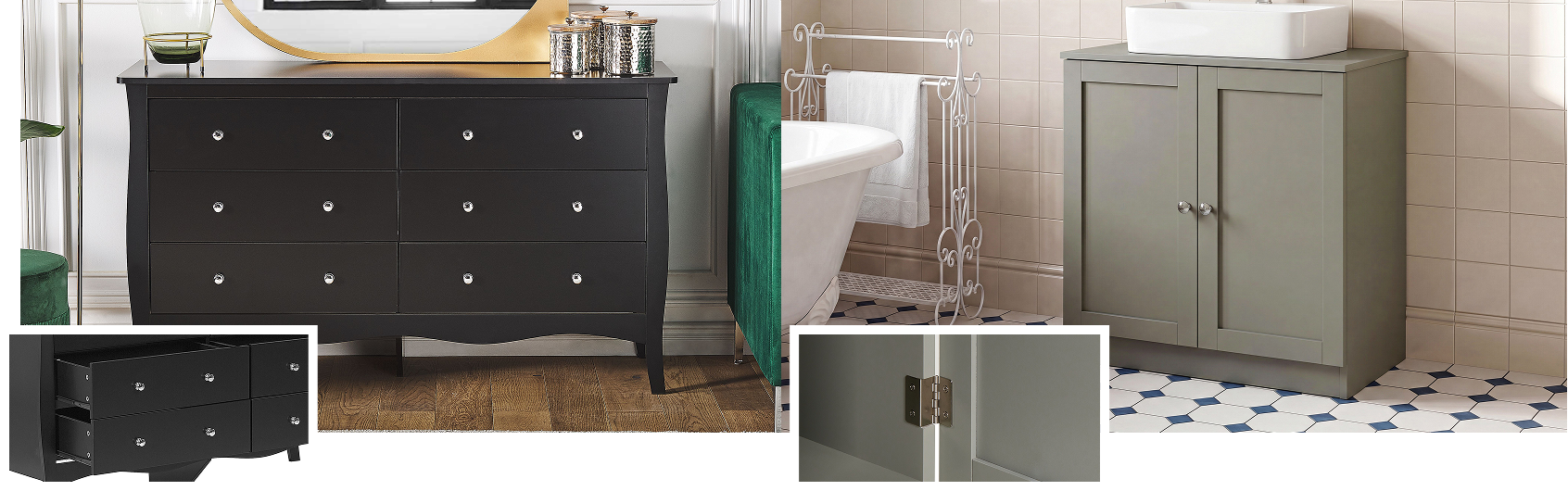
Look for secure joints, properly aligned doors and drawers, and a frame that remains stable during use. For cabinets and tables, check the construction materials and weight capacity. Decorative details should not compromise the furniture's functionality.
Consistent finishing
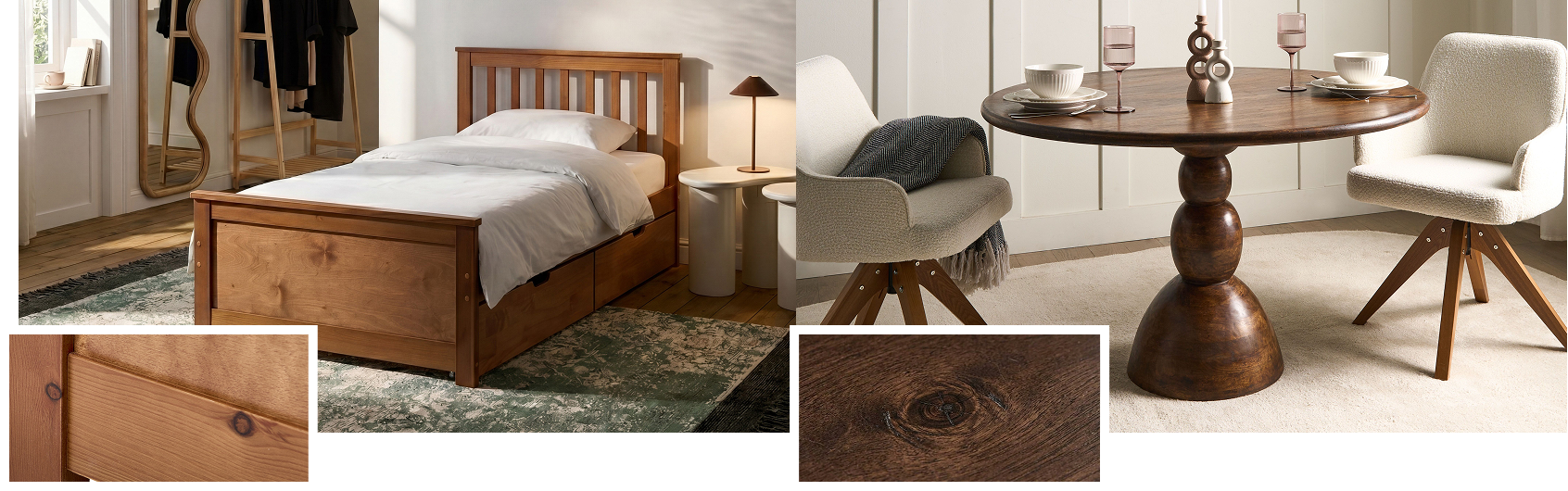
Wood finishes should appear even, with neatly finished edges and secure hardware. Upholstery seams should be straight and decorative buttons firmly attached. Check product photographs and specifications to understand which materials and finishes are used.
What other styles pair well with traditional furniture?
Traditional furniture can work alongside other interior styles when the arrangement has a consistent colour palette or a shared material. Combining ornate furniture with simpler pieces is often more practical than furnishing an entire room with heavily detailed designs.
- Transitional: combine traditional silhouettes with clean-lined furniture, plain upholstery and neutral colours for a more restrained appearance.
- Modern: use a traditional wooden sideboard, Chesterfield sofa or wingback chair as a focal point within an otherwise streamlined room.
- Country: pair classic furniture with natural wood, floral fabrics, checks and softer finishes to create a less formal interior.
- Glam: combine velvet upholstery, polished metal details and decorative mirrors with classic furniture shapes for a more elaborate finish.
How can you add traditional style to your home?
You do not need to replace all your existing furniture to introduce a traditional look. Begin with one distinctive piece and coordinate the surrounding colours, materials and accessories.
- Introduce a statement seat: a Chesterfield sofa or wingback armchair can establish the room's traditional character. Choose an upholstery colour that works with the existing flooring and walls.
- Create visual balance: place matching table lamps beside a sofa or bed, or arrange two similar armchairs around a coffee table. Exact symmetry is not essential, but balanced proportions help the room feel coordinated.
- Layer textiles: add a patterned rug, curtains and cushions that repeat colours already present in the furniture. Combine decorative patterns with plain fabrics to avoid visual overload.
- Choose traditional wall decoration: framed artwork or a decorative mirror can complement classic furniture. Match the frame finish to existing metal or wood details.
- Use layered lighting: combine a ceiling light with table lamps and floor lamps. Fabric shades and warm-toned light can soften the appearance of dark wood and richly coloured upholstery.
What to check before buying traditional furniture
Before choosing a traditional piece, compare its proportions, materials and practical features with your room and everyday needs.
- Measure the available space: check the furniture's width, depth and height, as well as doorways, staircases and other access points along the delivery route.
- Allow for movement: make sure doors, drawers and reclining features can open without hitting surrounding furniture. Keep frequently used walking routes clear.
- Check seating comfort: compare the seat height, seat depth, backrest and cushion filling with your preferences.
- Verify the materials: distinguish between solid wood, veneer, engineered wood, genuine leather and faux leather. Check the relevant cleaning instructions.
- Coordinate finishes: compare furniture wood tones with your flooring and existing pieces. Repeating similar undertones helps different finishes work together.
- Assess storage needs: choose cabinets, sideboards or bookcases with suitable shelves, drawers and compartments. Check whether tall furniture requires wall anchoring.
- Balance decorative details: consider whether a strongly detailed piece needs simpler furniture around it to keep the room visually balanced.
